
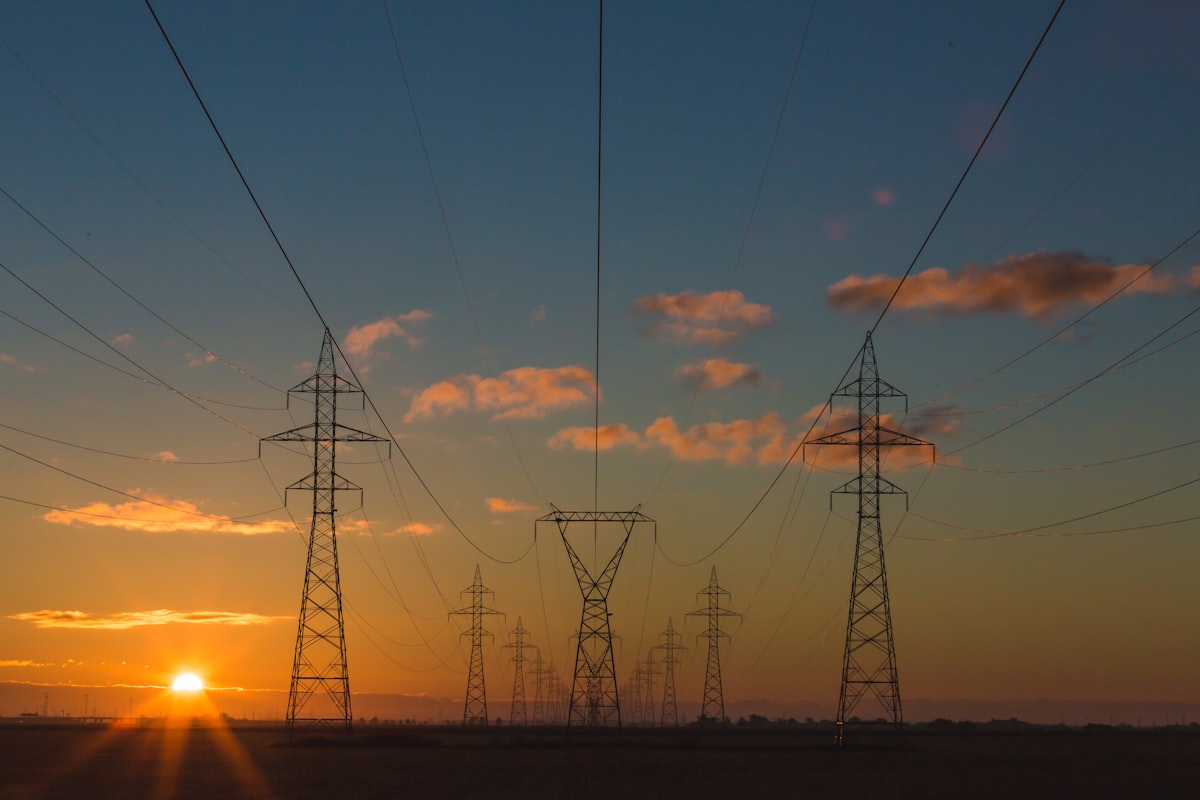
Houston, the heart of the U.S. oil and gas industry, is witnessing a dramatic transformation as leading companies pivot towards renewable energy technologies.
On August 8, 2026, ExxonMobil announced its commitment to invest $15 billion over the next decade into renewable initiatives, including carbon capture and hydrogen production. This announcement marks a significant shift for one of the largest oil companies in the world, which has faced increasing pressure from investors and environmental organizations to reduce its carbon footprint.
"We recognize that the future of energy is changing, and we must adapt to remain a leader in the industry," said Darren W. Woods, CEO of ExxonMobil, during a press conference held in Houston. The investment aims to develop technologies that will enable the company to lower its greenhouse gas emissions while still utilizing its extensive infrastructure.
Similarly, Shell has announced a partnership with local startups to explore innovative solutions in renewable energy, committing $2 billion towards solar and wind projects based in Texas. This collaboration aims to leverage local expertise and technology to enhance efficiency in energy production.
The shift towards green technologies is further evidenced by the state’s expanding network of energy storage facilities and microgrids. In Harris County, the HOUSTON SMART GRID project is set to launch later this year, which aims to integrate solar and wind energy sources with existing fossil fuel infrastructure, creating a more resilient grid.
Energy analysts suggest this transition may be beneficial not only for the environment but also for the companies involved. According to a recent study by Wood Mackenzie, the global investment in renewable energy technologies is projected to exceed $2 trillion by 2030. Furthermore, the report highlights that companies adapting to these changes could see a 50% increase in their market value over the next five years.
However, the transition has raised concerns among workers in the traditional energy sector. Many fear job losses as companies shift resources from oil and gas to renewable projects. Bill McKibben, a local labor leader, expressed his concerns: "While we understand the need for transition, we must ensure that workers are retrained and provided with new opportunities in the emerging green economy."
Houston's economic landscape is expected to evolve as the city embraces this dual-energy future. The Greater Houston Partnership has reported a focus on retaining talent in the energy sector by fostering innovation and collaboration among traditional and renewable energy companies.
In conclusion, Houston's oil giants are making substantial investments in green technologies, revealing a willingness to redefine their roles within the energy sector. As the city transitions towards a more sustainable energy future, the economic implications are poised to be significant, impacting jobs, investments, and the overall energy landscape.