
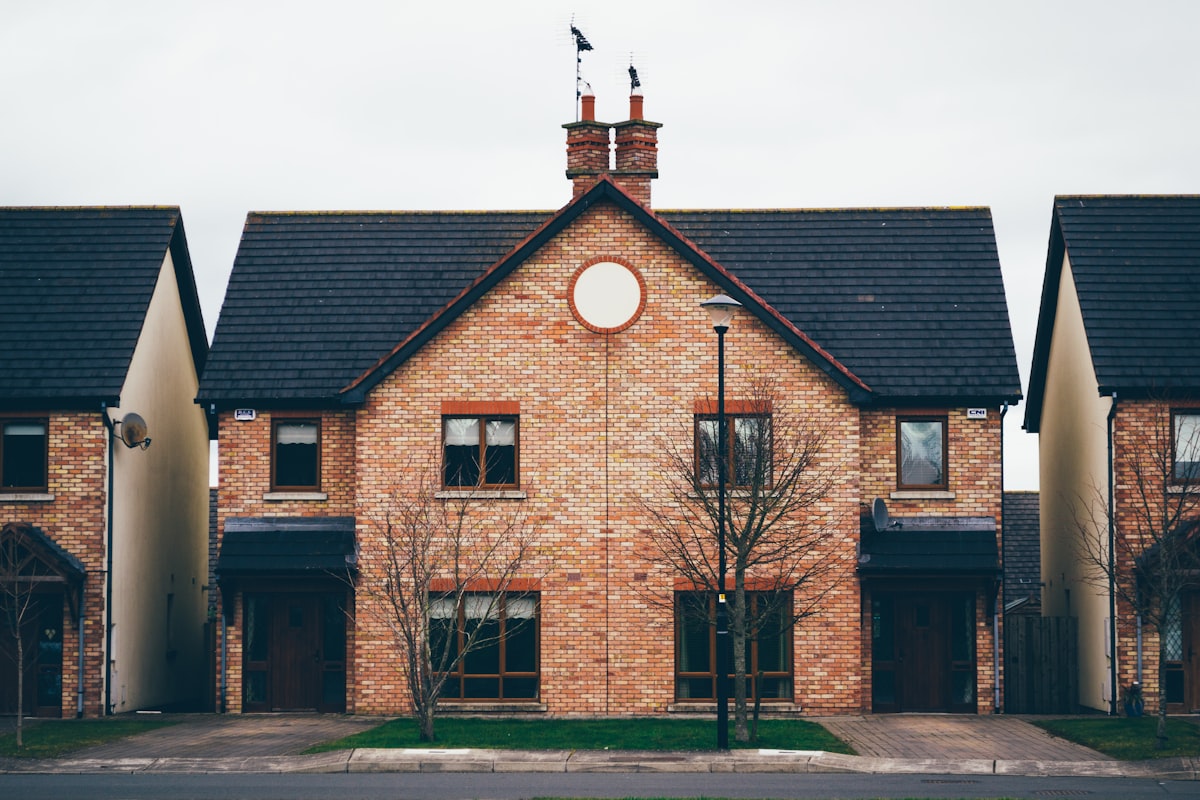
Houston is grappling with an escalating affordable housing crisis, as rising costs and stagnant wages place substantial pressure on low- to moderate-income families.
A recent report from the Greater Houston Partnership revealed that the cost of renting a two-bedroom apartment in the city has surged to an average of $1,800 per month, a staggering 20% increase since January 2025. Meanwhile, the area's median household income has only increased by a mere 5%, further widening the affordability gap.
Local nonprofit organizations are sounding the alarm, as nearly 30% of Houston residents now spend more than 30% of their income on housing. This statistic is particularly concerning as financial experts suggest that housing costs should ideally not exceed 28% of a household's gross income. The situation has prompted community leaders to seek immediate action from both the public and private sectors to address this pressing issue.
"We need a multifaceted approach to combat this crisis. It’s not enough to build more units; we must also look at rent control measures and increased housing subsidies," said David Morales, Executive Director of Housing Houston. His organization has been advocating for a comprehensive affordable housing policy to ease the financial burden on residents.
In response to the ongoing crisis, the Houston City Council has approved a $15 million funding initiative aimed at supporting the development of affordable housing units. This initiative is projected to create approximately 1,500 new affordable homes over the next two years, focusing on areas most in need.
Despite these efforts, experts warn that the city must also address zoning regulations that have historically restricted the development of affordable housing. As neighborhoods remain resistant to density increases, the challenge of finding suitable land for new projects will persist.
With the demand for affordable housing at an all-time high, the pressure is on Houston to implement policies that ensure sustainable growth and equitable access to housing for all its residents. As the city continues to evolve, its ability to address these challenges will determine the future of its diverse communities.