
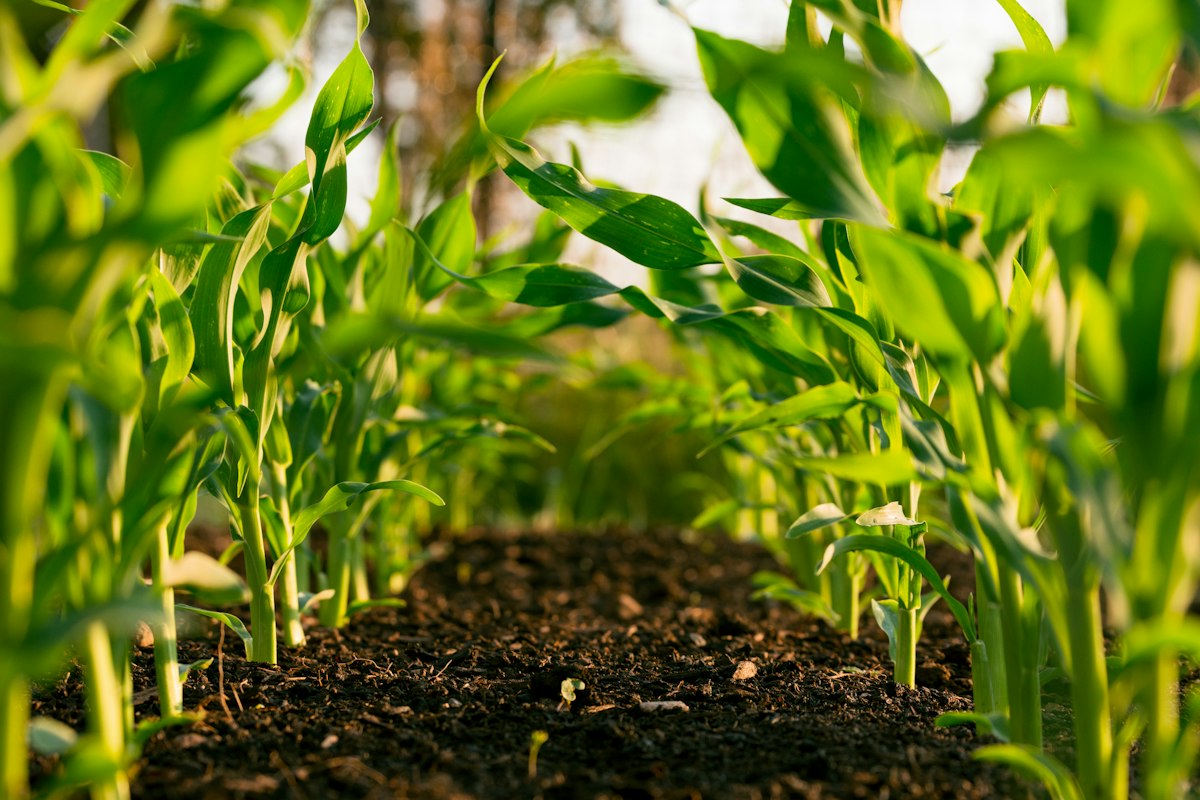
The Texas cotton industry is on the brink of a technological revolution, with innovative solutions poised to drastically change production methods and enhance efficiency.
In a state that accounts for roughly 40% of the nation's cotton production, particularly in regions like the High Plains, farmers are increasingly turning to technologies such as drones, artificial intelligence, and blockchain to streamline operations. The Texas Cotton Ginners’ Association reported that the adoption of these technologies has led to a 25% increase in yield for early adopters.
"The integration of tech in agriculture allows us to make data-driven decisions that improve not only productivity but also sustainability," said Mark Garcia, the owner of Garcia Cotton Farms in Lubbock. "Using drones to assess crop health and soil conditions has helped us identify issues before they escalate, saving both time and resources."
In addition to drones, many farms are utilizing AI-driven software to predict weather patterns and optimal planting times. A study from the University of Texas at Austin indicates that implementing these technologies can decrease water usage by as much as 30%, which is significant given the current drought conditions affecting many areas.
Blockchain technology is also making waves in the cotton supply chain, providing transparency and traceability that are increasingly demanded by consumers. This has led to partnerships between cotton growers and textile manufacturers looking to ensure ethical sourcing practices.
Furthermore, investment in agricultural technology has surged in Texas, with venture capital funding reaching $1 billion in 2025 alone. This influx of capital is expected to fuel further innovations, creating a competitive landscape for cotton producers.
Local governments are also getting involved, with the Texas Department of Agriculture launching initiatives to provide grants for farmers seeking to implement technological upgrades. These initiatives have already seen a 15% increase in technology adoption among cotton farmers in the state.
As the cotton growing season progresses, the integration of advanced technology promises not only to sustain Texas's position as a leader in cotton production but also to set new standards for agricultural practices nationwide.