
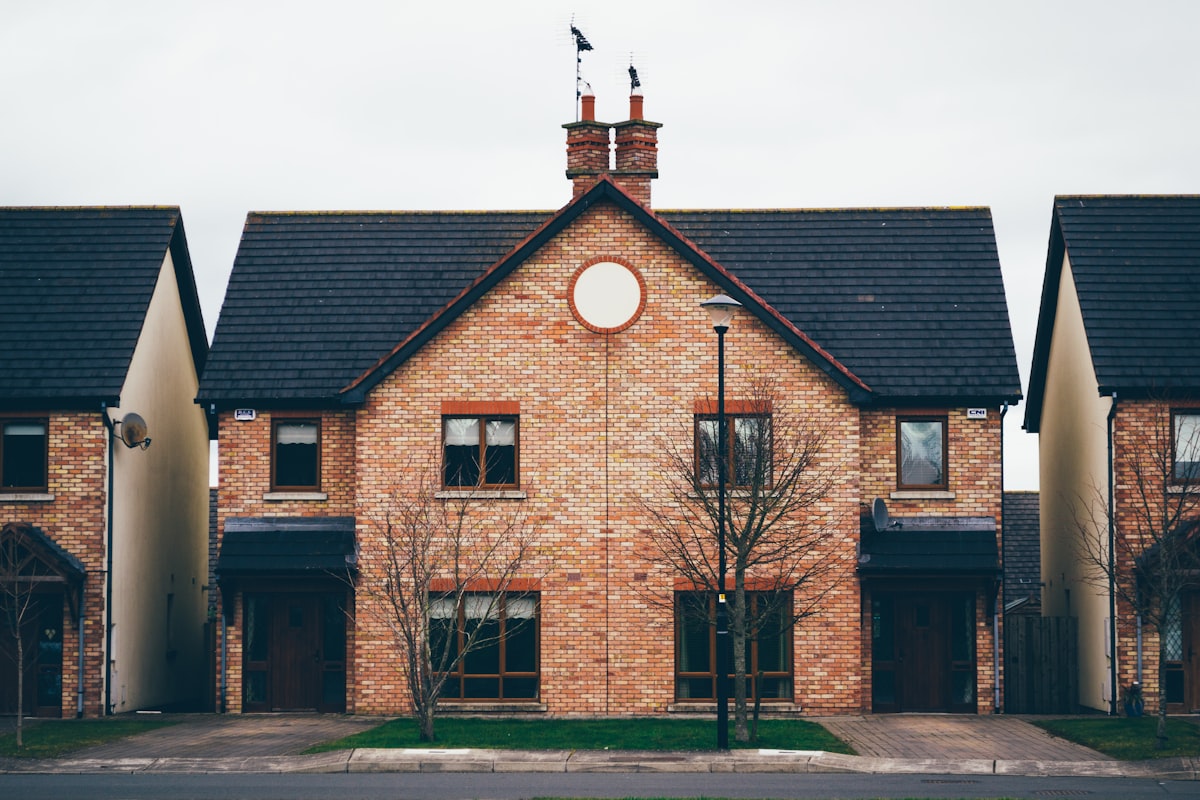
The Dallas-Fort Worth (DFW) Metroplex is witnessing a substantial surge in suburban housing developments, driven by families seeking affordability and more space amidst a changing lifestyle.
Recent data from the North Texas Real Estate Information System indicates that new home permits in the suburbs of DFW increased by 35% in the first quarter of 2026 compared to the same period last year. This trend reflects a growing preference for suburban living as urban centers become increasingly congested and expensive.
Cities such as Frisco and McKinney are at the forefront of this growth, with developers investing heavily in new residential projects. In Frisco alone, over 4,500 new home permits were issued last year, translating to a diverse mix of single-family homes and townhouses aimed at various demographics.
“What we’re seeing is a migration toward the suburbs as families look for more space, better schools, and community amenities,” stated Laura Chen, a lead analyst at the Texas Real Estate Research Center. “Suburban areas are becoming increasingly attractive for homebuyers.”
In response to this demand, major builders, including D.R. Horton and Lennar, have ramped up their construction efforts, focusing on affordability while maintaining quality design. Homes in these new developments are starting at around $350,000, an appealing price point for many first-time buyers.
However, this suburban boom is not without its challenges. Local governments are under pressure to provide adequate infrastructure and services to support the influx of new residents. The Texas Department of Transportation has recently announced plans to invest $150 million into expanding highways and public transport options in the area.
As the DFW area continues to grow, the need for sustainable development practices will be crucial to ensure that suburban expansions do not lead to urban sprawl.
With the current trajectory, the DFW Metroplex is poised for a dynamic housing landscape that could redefine the region's future.