
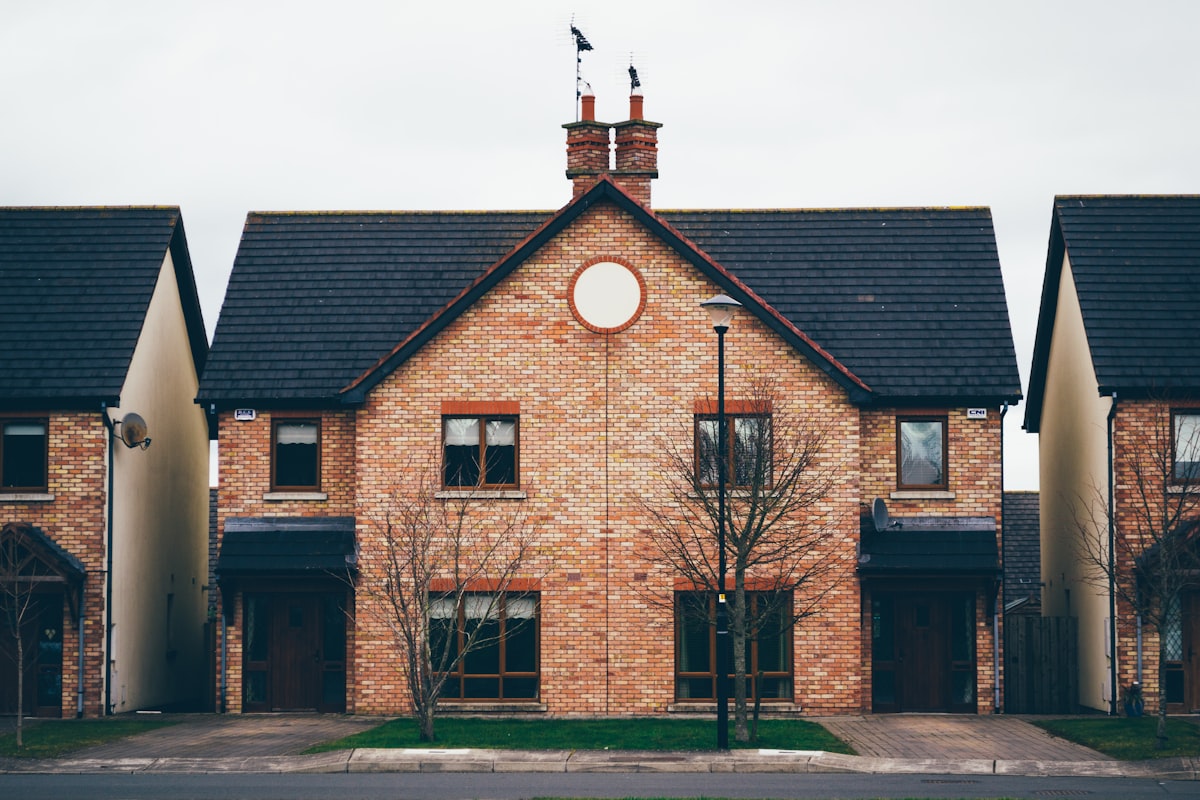
The Dallas-Fort Worth area is experiencing a renewed interest in suburban development as remote work reshapes housing preferences.
In the first half of 2026, suburban neighborhoods such as Frisco and McKinney have reported increases in housing permits by over 30%, as families seek larger homes and outdoor space away from the urban core. This trend is largely influenced by the rise of flexible work arrangements, allowing employees to live farther from their offices.
"People are prioritizing space and quality of life, especially after the pandemic," said Lisa Grant, a local real estate analyst. "Suburbs are becoming increasingly attractive due to lower costs and a family-friendly environment."
The median home price in these suburban areas is approximately $500,000, significantly lower than in urban Dallas, where the median price hovers around $750,000. This price differential is drawing more families and young professionals to consider relocating to the suburbs.
Developers are responding to this demand by launching several new projects. Notable developments include the $200 million mixed-use project in Frisco, which promises to include residential spaces, retail shops, and recreational areas, appealing to various demographics.
Local officials are also supportive of this suburban growth. Frisco Mayor Jeff Cheney remarked, "We welcome the influx of new residents and are committed to ensuring our infrastructure keeps pace with this growth. Our goal is to create a vibrant, balanced community that meets the needs of our residents."
While the suburban boom presents opportunities, it also poses challenges related to infrastructure and public services. As more people move to these areas, local governments must strategize on how to manage increased traffic and provide necessary amenities.
In summary, the DFW area's suburban markets are on a growth trajectory, reflecting broader demographic shifts and evolving housing preferences in a post-pandemic landscape.