
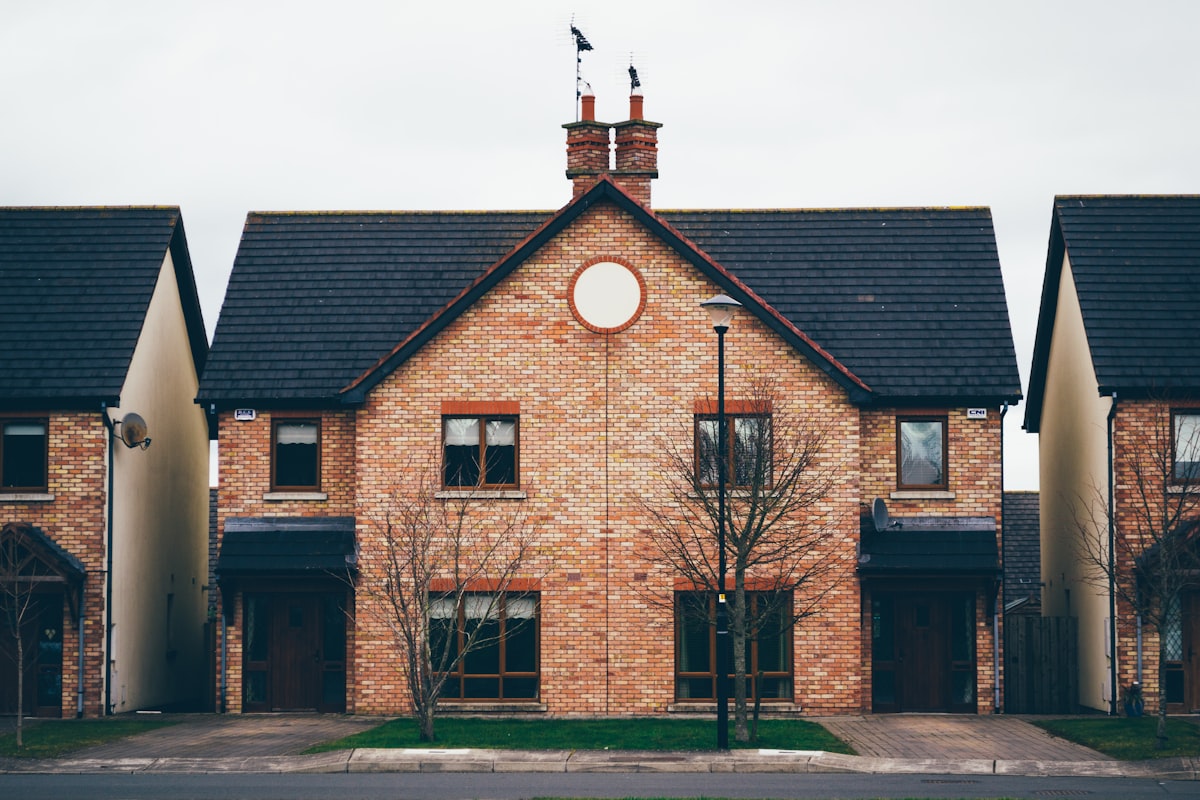
As Austin's real estate market continues to flourish, local officials and environmental advocates are increasingly scrutinizing the sustainability of rapid development amid concerns over urban sprawl and environmental degradation.
In the past five years, Austin has been one of the fastest-growing cities in the United States, with a population surge of nearly 20%. This rapid growth has led to a spike in construction, with real estate developments valued at over $3 billion approved in 2025 alone. However, this boom has raised questions about the city’s infrastructure and ecological footprint.
“We’re at a crossroads in Austin,” noted Sarah Fields, director of the Austin Environmental Coalition. “While growth is essential for the economy, it’s crucial that we prioritize sustainable development practices to protect our natural resources.”
In response to these concerns, the Austin City Council is considering new regulations aimed at promoting eco-friendly construction practices. Proposed initiatives include incentivizing developers who incorporate green building standards and mandating the use of sustainable materials in new projects.
Furthermore, local leaders are exploring options to enhance public transportation infrastructure to alleviate traffic congestion and reduce carbon emissions. The proposed expansion of the Metro Rapid transit system aims to connect underserved neighborhoods and decrease reliance on personal vehicles.
Despite these initiatives, critics argue that the momentum of development may outpace regulatory efforts. Concerns have been raised about the loss of green spaces, which are vital for maintaining Austin’s quality of life. A report released by the city’s Parks and Recreation Department highlighted that over 30% of the city’s parkland has been affected by new development in the past decade.
As the city contemplates its next steps, it remains to be seen whether Austin can strike a balance between economic growth and environmental stewardship. The outcome will likely set a precedent for other rapidly developing cities across Texas as they face similar challenges.