
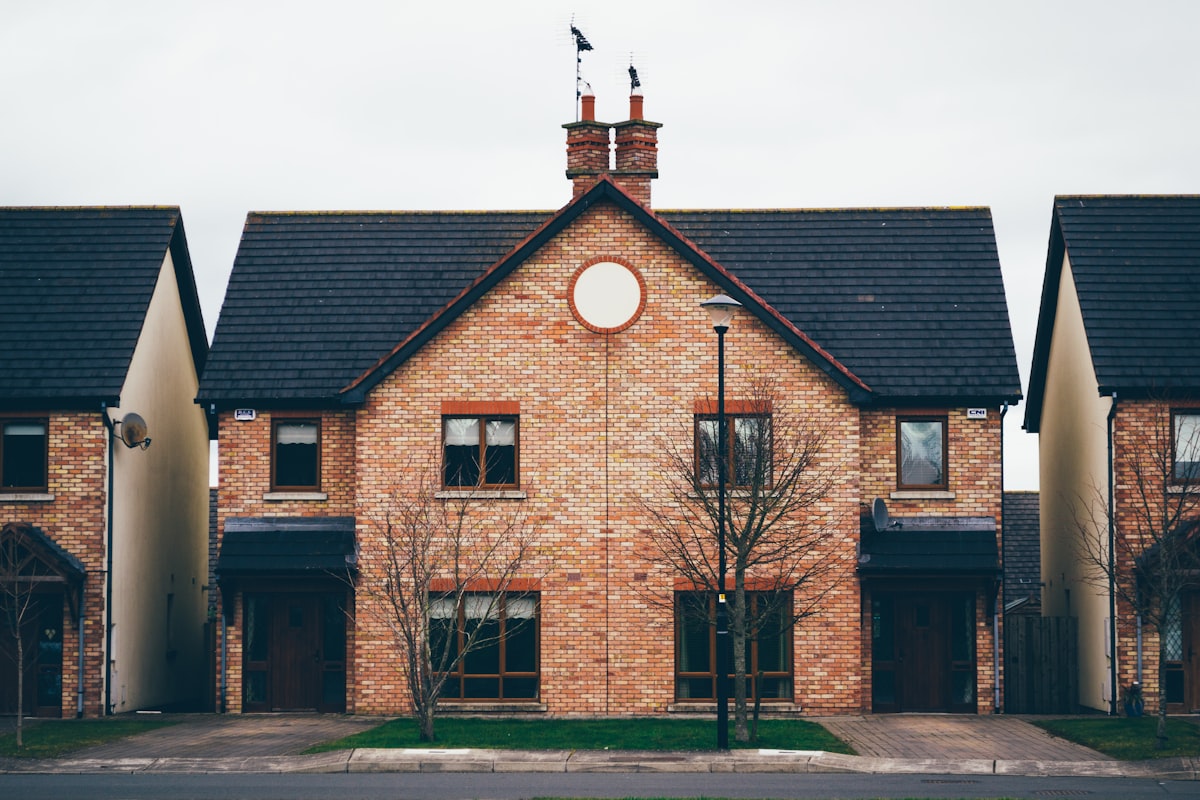
Austin's burgeoning real estate market is encountering significant headwinds due to newly implemented zoning regulations aimed at promoting affordability.
In July 2026, the Austin City Council passed a series of measures designed to increase the availability of affordable housing units. These regulations, however, have raised concerns among developers who argue that restrictive zoning could stifle new projects.
According to the Austin Board of Realtors, the city's home prices have surged by 20% over the past year, with the average home price reaching approximately $550,000. In an effort to combat this trend, the new regulations mandate that a certain percentage of new developments must be designated as affordable housing.
Real estate developer Tom Brown stated, “While we support the goal of increasing affordable housing, these regulations could deter new investment in the area.” Brown's firm is currently assessing the feasibility of several projects that might be impacted by these changes.
The new measures have sparked a heated debate among city officials, residents, and developers. Proponents argue that the regulations are necessary to ensure that Austin remains accessible to a diverse population, while critics contend that they could exacerbate existing housing shortages.
Moreover, the tech industry's continued growth in the region is exerting additional pressure on the housing market. Companies such as Dell and Tesla are expanding their operations, further driving demand for housing. The influx of new residents is expected to intensify the competition in an already strained market.
In response to these dynamics, some developers are exploring alternative building methods, such as modular construction, to reduce costs and expedite project timelines.
As Austin navigates these complex challenges, the future of its real estate market hangs in the balance, with stakeholders closely monitoring the effects of regulatory changes on supply and affordability.