
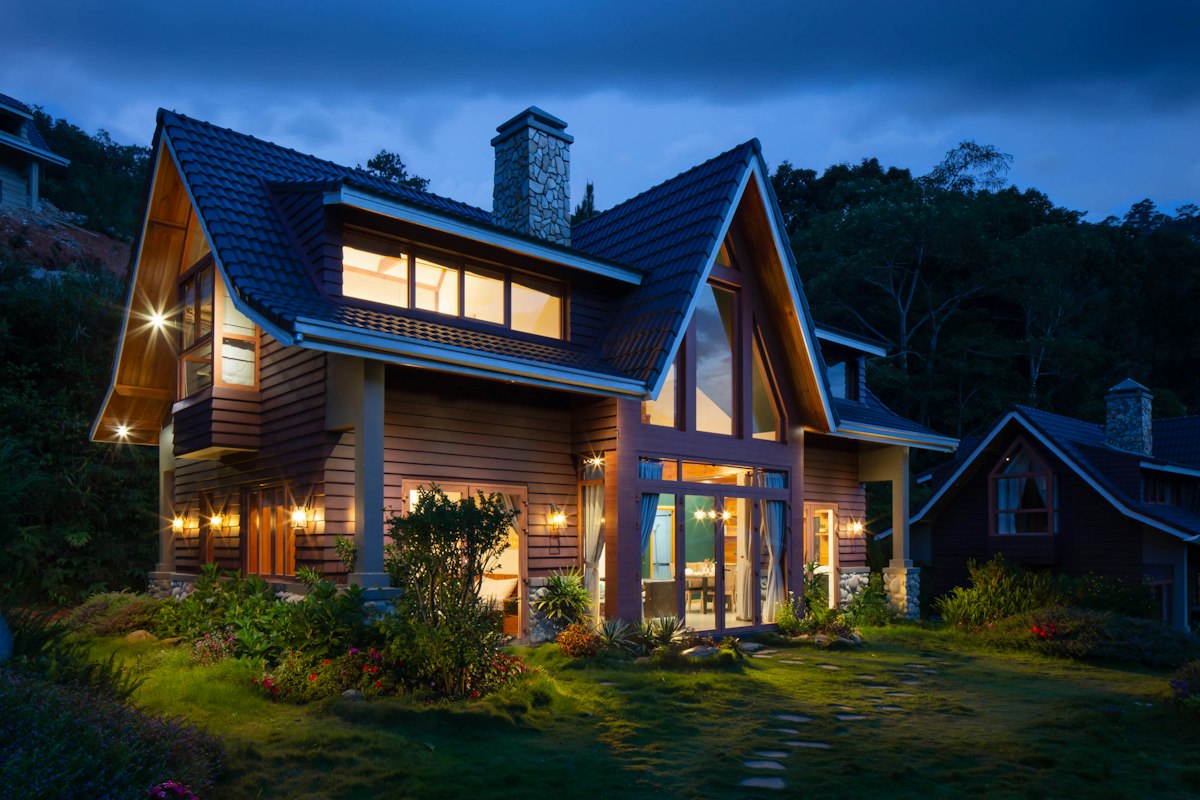
Austin's once-booming housing market is now encountering significant challenges as interest rates surge, prompting potential homebuyers to reevaluate their options.
As of August 2026, the average interest rate for a 30-year fixed mortgage has exceeded 7%, a stark increase from the historic lows seen just a year ago. This change is reshaping the landscape in Austin, where home prices had previously soared. According to the Austin Board of Realtors, the median home price reached $525,000 in July 2026, an increase of 5% from the previous year.
Local real estate agent, Jenna Martinez, noted, “Many buyers are being priced out of the market. The higher interest rates mean they can afford less home for their money.” This sentiment is echoed across sectors, as affordability continues to be a pressing issue for residents and prospective buyers.
In response to these mounting challenges, developers are shifting their focus towards more affordable housing options. A recent report by the Texas Real Estate Research Center indicates that the construction of entry-level homes has increased by 15% in the first half of 2026.
However, the increase in construction comes at a time when building materials remain expensive. Reports suggest that the cost of lumber, although down from its peak last year, still hovers around 20% higher than pre-pandemic levels. This has forced builders to pass on some of these costs to consumers.
Moreover, a recent survey conducted by the Texas Association of Realtors revealed that 58% of Texans believe that the housing market is heading towards a correction. The same survey highlighted that nearly 70% of respondents view the current market as unaffordable.
In an attempt to stabilize the market, city officials in Austin have introduced measures aimed at encouraging new developments and streamlining the permitting processes. Mayor Kirk Watson stated, “We need to ensure that our city remains accessible to all income levels, and that means promoting diverse housing options.” The city aims to add 10,000 new affordable units by 2028.
As Austin strives to balance growth with affordability, many real estate experts remain cautiously optimistic. “The market is resilient,” said local economist Sarah Kim. “While we may see a slowdown, the long-term demand for homes in Austin remains high.” With a steady influx of new residents and jobs, the future of Austin's housing market will certainly be one to watch.