
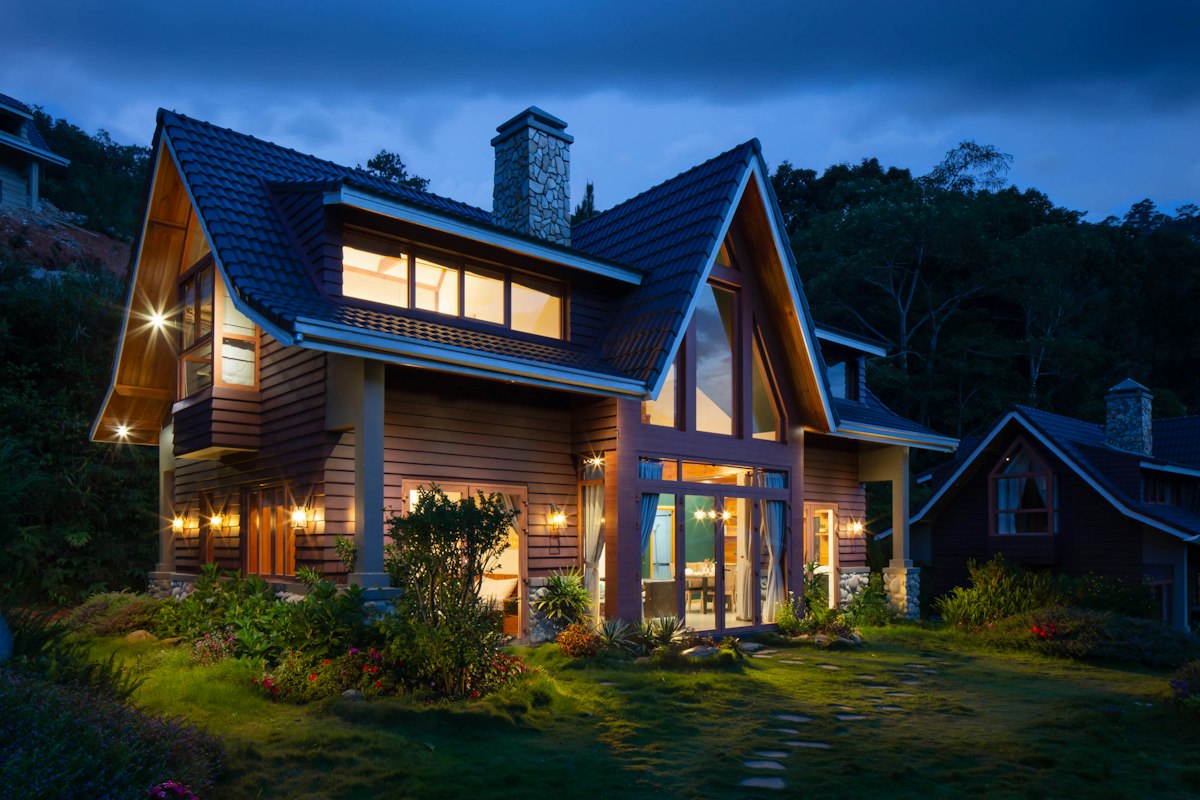
As interest rates surge, Austin's once-booming housing market is starting to feel the effects of rising borrowing costs.
In May 2026, the Federal Reserve raised interest rates to 6.5%, a response to persistent inflation that has impacted various sectors across the economy, including real estate. This increase has resulted in higher mortgage rates, which have risen to an average of 7.2% for a 30-year fixed-rate mortgage, challenging many potential homebuyers in the Austin area.
According to the Austin Board of Realtors, home sales in April 2026 dropped by nearly 15% compared to the same month last year. The median price for a single-family home now stands at approximately $550,000, a slight decrease from the peak of $600,000 earlier in 2025. As affordability becomes a pressing issue, many buyers are reconsidering their options.
“The rapid increase in interest rates has created a significant barrier for many first-time buyers who are already stretched thin,” said Sarah Johnson, the president of the Austin Board of Realtors. “We are seeing more buyers either delaying their purchases or opting for properties in less expensive neighborhoods.”
Developers are also feeling the pinch. Several high-profile projects, including the planned 300-unit residential complex near downtown Austin, have been put on hold as developers reassess their financial models in light of the new economic landscape. Cost overruns and tightened lending conditions are also affecting project timelines, with many now forecasting delays of up to six months.
Despite these hurdles, certain areas within Austin are still witnessing demand. Neighborhoods like East Austin and Pflugerville continue to attract buyers due to their lower price points and expanding amenities. However, experts caution that unless interest rates stabilize, the overall market may struggle to regain its previous momentum.
“While some neighborhoods are still thriving, the overall sentiment in the market is one of uncertainty,” noted local economist Mark Lacy. “Buyers are cautious, and they’re thinking long and hard about their purchases.”
As the situation evolves, stakeholders in Austin's real estate market are urged to stay informed and adaptable, as the combination of economic pressures and shifting buyer preferences may redefine the landscape for years to come.