
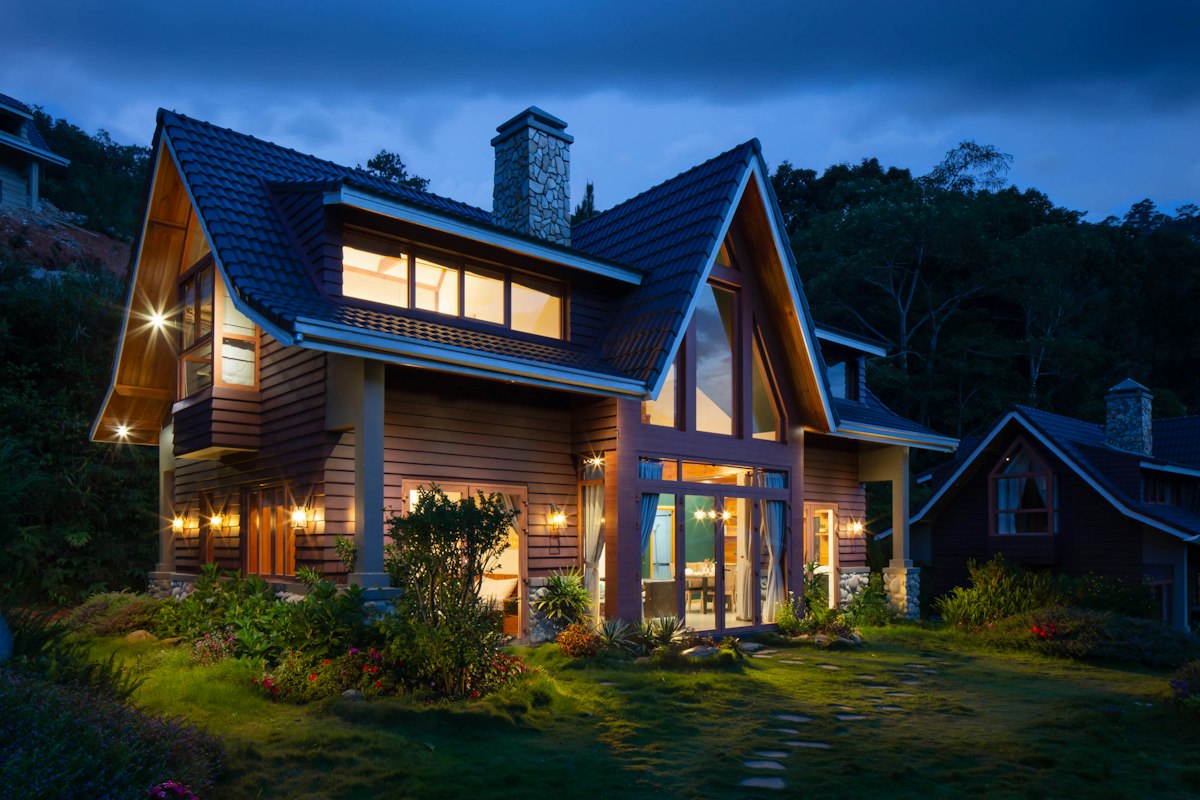
As the Texas capital grapples with a population surge, Austin's housing market has become a focal point of both opportunity and concern.
According to the latest data from the Austin Board of Realtors, the median home price in the city reached $570,000 in July 2026, marking a 15% year-over-year increase. This rapid appreciation has drawn both families seeking a new home and investors hoping to capitalize on the area's growth.
Austin’s expanding tech sector has been a primary driver behind this demand. With major companies like Apple and Tesla ramping up their operations in the city, an influx of high-earning professionals continues to shape the housing landscape. “The tech boom is not just creating jobs, it’s creating a lifestyle that many want to be part of,” said Annette L. Johnson, a real estate analyst at Austin Realty Advisors.
However, this surge comes with challenges. Many long-time residents find themselves priced out of their neighborhoods. The city has seen an exodus toward suburban areas, such as Round Rock and Pflugerville, where home prices are comparatively lower. “We need to ensure that we’re not just building luxury condos but also affordable housing,” cautioned Mayor Kirk Watson during a recent city council meeting.
In response to these pressures, local officials are considering new zoning laws that would allow for higher-density housing developments. Advocates believe these changes could help ease some of the housing shortages. However, opposition remains strong among residents who are concerned about the potential impact on community aesthetics and infrastructure.
As the demand for homes in Austin shows no signs of abating, industry experts predict that prices will continue to rise. “Buyers need to be prepared for a competitive market,” warned Rebecca Chen, a local realtor. “Having a pre-approval from a lender is almost mandatory these days.”
With the potential for interest rates to fluctuate, many buyers are rushing to secure homes now, leading to bidding wars and all-cash offers becoming more prevalent. This trend is further fueled by investors who see Austin as a prime location for both rental income and long-term appreciation.
While the short-term outlook for Austin's real estate market appears robust, questions remain about sustainability. As affordability issues mount, the city faces a critical juncture where balancing growth with community needs will be paramount.