
In response to an explosive growth in electric vehicle (EV) adoption, Austin is significantly expanding its electric vehicle charging infrastructure, aiming to accommodate a burgeoning market that has seen sales increase by over 50% in the past year alone.
According to the Austin Transportation Department, the number of registered electric vehicles in the city topped 50,000 in 2025, a substantial leap from just 32,000 in 2024. To support this rising demand, the city has initiated a plan to install 500 new public charging stations by the end of 2026, effectively doubling its current capacity.
“It’s essential that we provide the necessary infrastructure to support EV owners in Austin,” said Mayor Steve Adler during the announcement of the new plan. “Our commitment to sustainability and reducing carbon emissions starts with making electric vehicles accessible to everyone.”
The city's efforts are bolstered by recent federal grants aimed at promoting clean transportation options, which have provided Austin with $10 million to develop its EV infrastructure. This funding has come at a critical time as the federal government pushes for widespread adoption of electric vehicles to meet climate goals and reduce dependence on fossil fuels.
The expansion includes not only traditional charging stations but also fast chargers capable of replenishing vehicle batteries in under 30 minutes. This is particularly useful for commuters and city service vehicles, which are increasingly transitioning to electric models.
Local businesses are also catching the wave, with companies like ChargePoint and EVgo partnering with the city to create a robust network of charging options. The collaboration aims to ensure that charging stations are conveniently located in high-traffic areas, such as shopping centers and major roadways.
In addition to public charging stations, Austin is leading the way in implementing EV-friendly policies, including rebates for residents purchasing electric vehicles and incentives for businesses to install charging stations on their premises. These initiatives are part of the city’s broader strategy to combat climate change and promote sustainable living.
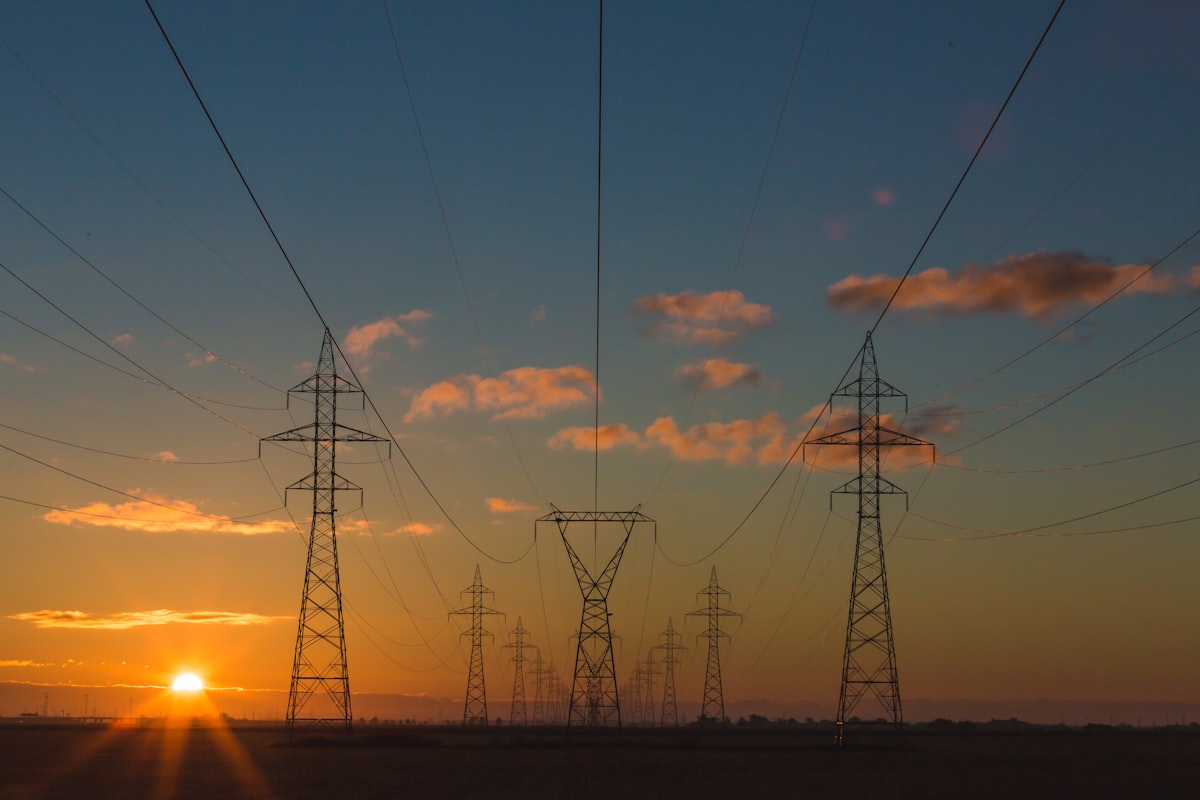
However, the rapid expansion raises questions about the sustainability of the city's electric grid. As the demand for EV charging increases, experts warn that Texas's energy infrastructure must also adapt to accommodate this shift. The Electric Reliability Council of Texas (ERCOT) is closely monitoring the situation to ensure that supply meets the rising demand.
As Austin becomes a national model for electric vehicle adoption and infrastructure, the city’s initiatives may serve as a blueprint for other metropolitan areas eager to promote sustainable transportation options.