
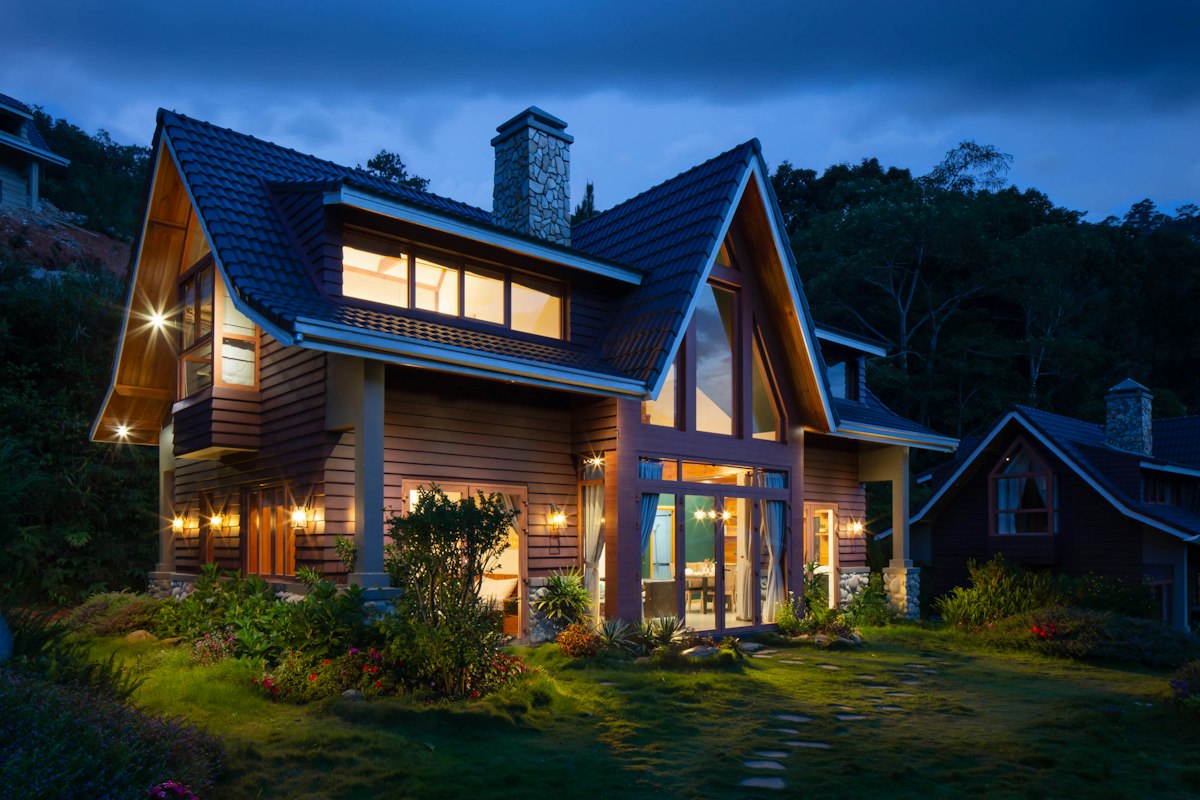
In a notable display of economic resilience, Austin's luxury real estate market is experiencing a significant uptick in sales, with recent data indicating a remarkable 15% increase in transactions over the past quarter alone.
The Austin Board of Realtors reported that sales of homes priced over $1 million reached 315 units in June 2026, compared to 275 units in the same month last year. This surge comes despite broader national trends that have shown a slowing real estate market, marking Austin as a standout in the luxury segment.
One of the driving factors behind this boom is the influx of high-net-worth individuals relocating to the city. Many are attracted by Austin's thriving tech industry, vibrant culture, and favorable tax environment. “Austin has become a magnet for tech executives and entrepreneurs looking for a more favorable business climate,” said Sarah Jenkins, a senior analyst at Texas Real Estate Research Center.
The median price of luxury homes in Austin now stands at approximately $1.5 million, reflecting a 10% increase year-over-year. This price escalation is attributed to limited inventory, as many affluent buyers are competing for a dwindling number of high-end properties. As of June, only 301 luxury homes were available on the market, prompting bidding wars and accelerating sales.
Real estate agent Mark Thompson, who specializes in luxury listings, noted that homes are selling at an average of 95% of the asking price, often within days of hitting the market. “We are witnessing an unprecedented demand, with many homes receiving multiple offers within the first week,” Thompson elaborated. This trend is pushing sellers to raise their asking prices, further inflating the market.
The impact of this luxury home surge is not just limited to individual buyers; it also signals a burgeoning economic confidence in the region. Increased property values contribute to higher property tax revenues for local governments, which can then be reinvested into infrastructure and community services.
However, concerns about affordability linger amidst this luxury boom. While the upper segment flourishes, local advocates warn of widening gaps between wealthier buyers and average residents. “We have to be vigilant about the implications of this luxury surge on affordability for working families,” cautioned Maria Lopez, a community organizer in East Austin.
As Austin continues to attract talent and capital, the outlook for its luxury real estate market remains strong. However, stakeholders will need to balance growth with community needs to ensure sustainable development in the years to come.