
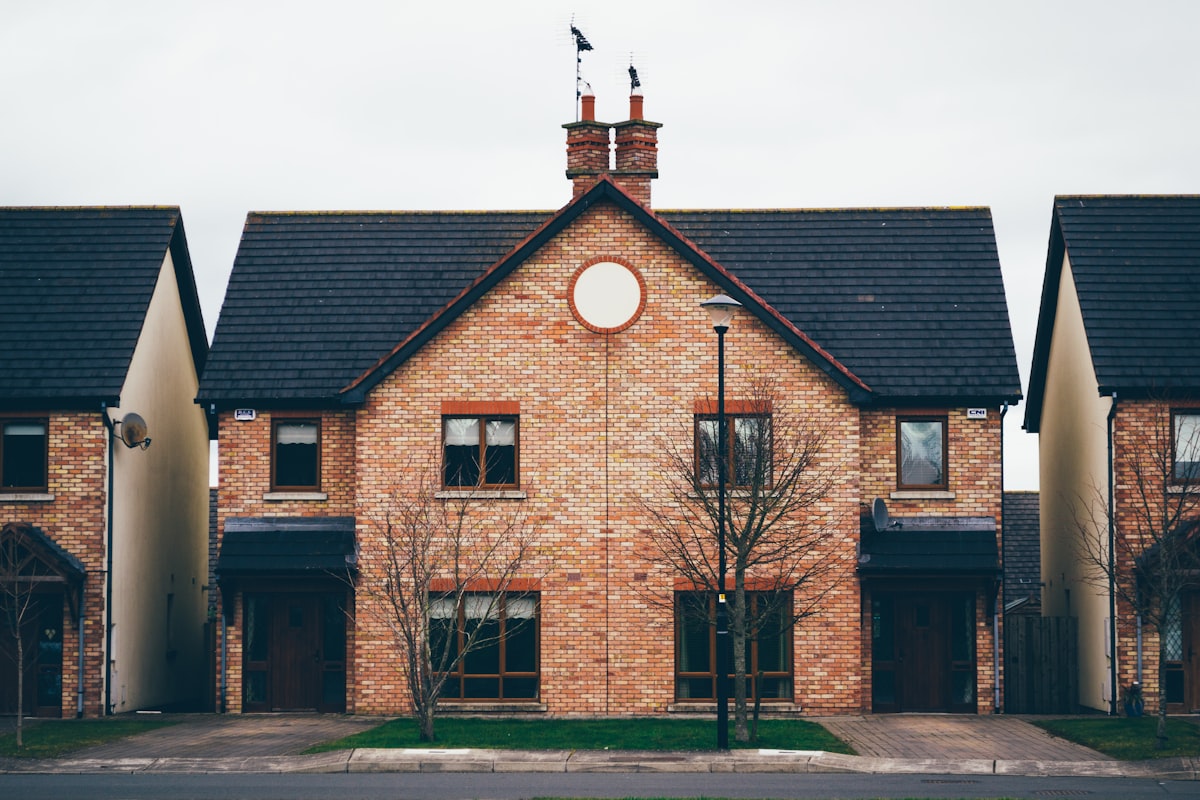
In response to ballooning housing prices, Texas cities are ramping up initiatives aimed at making housing more affordable for their residents.
As of July 2026, the city of San Antonio has launched a comprehensive affordability program that includes a mix of public-private partnerships, tax incentives, and zoning reforms to facilitate the construction of affordable housing units. Mayor Ron Nirenberg has been a vocal advocate for these measures, stating, "We need to take bold steps to ensure that every San Antonian can afford a safe and decent place to live."">
The initiative aims to create 10,000 affordable housing units over the next five years, leveraging $200 million in federal funds alongside local investments. This includes a focus on revitalizing underdeveloped areas and transforming vacant lots into vibrant housing communities.
In Austin, where the average home price has reached $600,000, local officials are implementing similar strategies. The city has earmarked $150 million for affordable housing projects, focusing on multi-family developments that meet the demand of the city's growing population. Furthermore, a new zoning ordinance will allow for higher density in existing residential areas to facilitate quicker building permits and reduce costs.
"The changes we are making will allow us to build up, not out, which is essential given our limited land supply," emphasized Austin’s Housing Director, Jennifer Jones. "We want to ensure that as our city grows, it remains inclusive for all socioeconomic groups."">
Meanwhile, in Dallas, the city council approved a new program that provides incentives for developers to include affordable units in their projects. This initiative aims to ensure that a minimum of 15% of units in any new development are reserved for low-income residents. The program has already attracted interest from several prominent developers, eager to contribute to a solution for the housing crisis.
As the demand for affordable housing continues to outstrip supply, these initiatives are a promising step forward. However, critics argue that without aggressive action, the progress may be too slow to keep pace with rising prices.
"While the programs are a step in the right direction, we need to see implementation and results quickly," cautioned Mark Johnson, a housing policy expert. "Otherwise, we risk further displacing our most vulnerable populations."">
As Texas cities grapple with the housing affordability crisis, the strategies being employed in 2026 could serve as a model for urban areas nationwide, demonstrating the importance of innovative solutions in tackling pressing social issues.